Welcome To
The Connection Approach
The Connection Approach is dedicated to equipping those who work with children and young people with the insight, understanding and practical tools to build meaningful connections and respond confidently to challenging situations.
Through trauma-informed communication and evidence-based strategies, we help organisations reduce staff turnover, increase staff confidence and create calm, supportive environments where both professionals and young people can thrive.
Because when adults feel supported, they are better equipped to support the young people in their care.
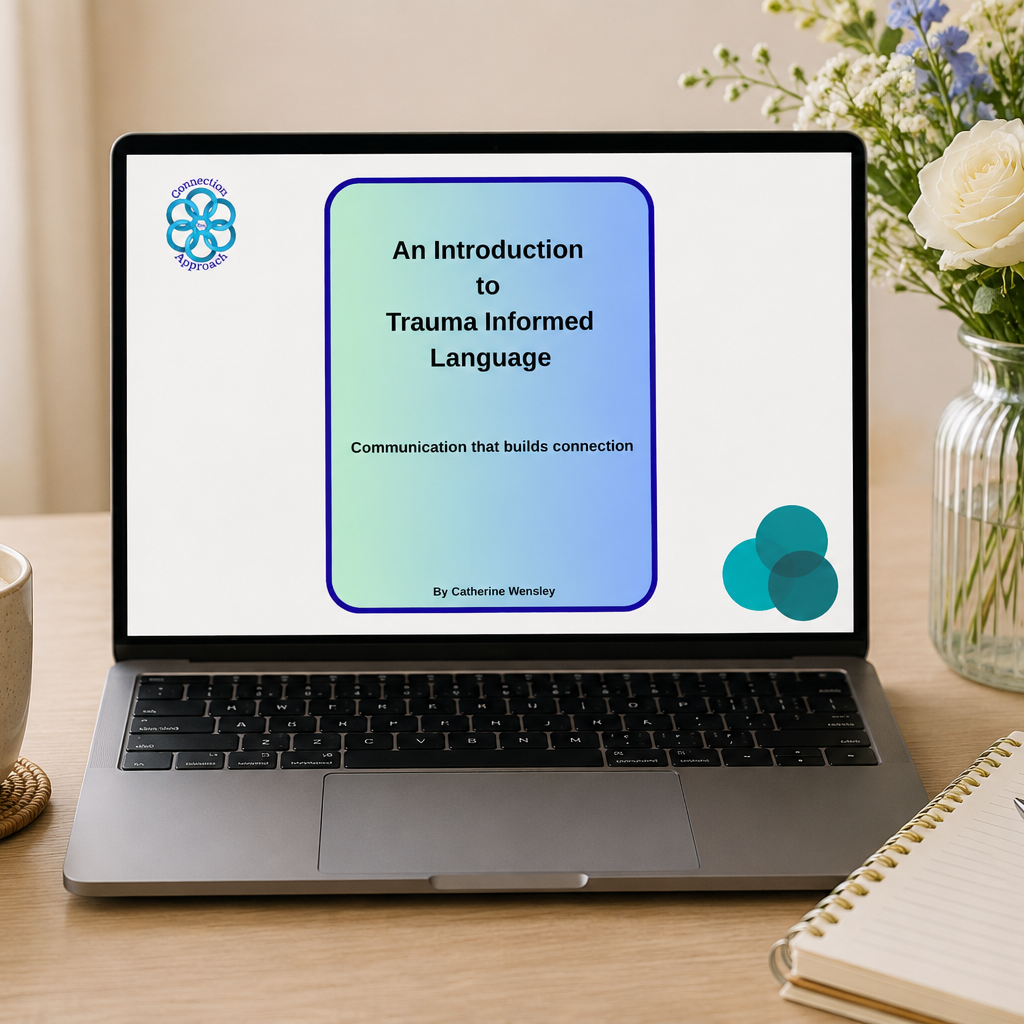
Training
This practical four-module training introduces staff to the principles of trauma-informed communication and the powerful impact that language can have on behaviour, relationships and emotional regulation. Delegates will explore trauma and attachment, the stress response cycle, communication that can unintentionally undermine connection, and practical language that builds safety, trust and cooperation. Staff leave with simple, effective strategies they can use immediately to create calmer environments, reduce escalation and strengthen relationships.

A note from me
Throughout my career, I've had the privilege of working alongside dedicated teachers, support staff and professionals who genuinely want the very best for the young people they support.
Time and time again, I've watched staff do everything they can to manage incredibly challenging situations. They care deeply, they work tirelessly, yet many are expected to cope without the knowledge or practical communication tools they need. Over time, the emotional weight builds, confidence begins to fade, and too many talented people reach the point where they feel they simply can't do the job anymore. This is one of the reasons staff turnover remains so high in many settings.
This work is deeply personal to me.
As a teenager, I was the young person whose trauma went unnoticed. The behaviours and struggles were seen, but the experiences behind them were not. Looking back, I often wonder how different things might have been if the adults around me had understood trauma and communicated in ways that created safety rather than misunderstanding.
That experience has shaped everything I do today.
My mission is simple: to help make trauma-informed language an everyday way of communicating in every school and organisation that supports children and young people. I believe that when staff are equipped with practical, compassionate communication skills, they feel more confident, relationships become stronger, environments become calmer, and young people have a far greater opportunity to succeed.
If we can better support the adults, we can better support the children.
And that is a future worth working towards.

Delivery To Suit Your Setting
Four 45 minute sessions
Two 90 minute sessions
One whole morning